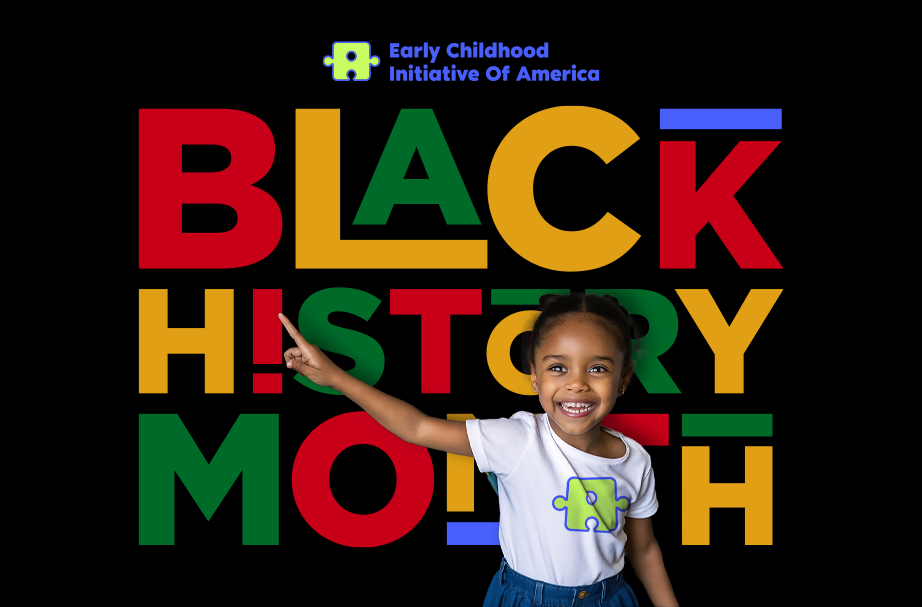
Black History Month: Roots, Struggle, and Education as a Tool for Change
Every February, schools, organizations, and communities around the world observe Black History Month — a time to honor the achievements, struggles, and resilience of Black communities. This observance began with educators and historians who recognized that education and truthful knowledge of history are essential for dismantling prejudice and building more just societies.
In 1926, African American historian Dr. Carter G. Woodson, educated at Harvard, established “Negro History Week” in the United States to counter the widespread exclusion of Black lives and contributions from mainstream historical narratives. He chose the second week of February to coincide with the birthdays of Abraham Lincoln and Frederick Douglass, leaders associated with emancipation and civil rights.
Over time, the week grew into a broader movement embraced by educational and cultural institutions. By 1970, universities such as Kent State expanded the observance to the entire month of February. In 1976, President Gerald Ford formally recognized Black History Month, urging Americans to honor the contributions of Black Americans in every field of endeavor.
Black History Month was born as an educational intervention — a deliberate effort to include narratives, people, and perspectives that had been ignored or misrepresented in official curricula. For much of American history, educational systems either minimized or distorted Black contributions, reinforcing harmful stereotypes and leaving out vital chapters on science, culture, leadership, and civil rights.
Today, this observance continues to be a powerful educational tool. Schools, libraries, and museums host programs, exhibits, and learning resources that deepen historical understanding and promote critical thinking. The goal is not simply to celebrate achievements but to foster empathy, identity, and historical awareness in young learners, laying the foundation for more inclusive communities.
While rooted in history, Black History Month remains profoundly relevant. In present-day educational debates about what histories are taught and honored, this month reinforces the commitment to comprehensive, diverse, and equitable education. History is not just about the past — it is a lens through which we view the present and chart our path toward the future.
Understanding stories of leadership, resilience, and creativity from Black communities is essential to combating ignorance, prejudice, and exclusion. In early childhood education, recognizing cultural diversity from the earliest years helps nurture children who value themselves and others — building the groundwork for more just and respectful societies.
